A healthy environment is essential to a thriving community. Through the generosity of donors and the vision of our Board, the Greater Milwaukee Foundation has supported projects that protect natural resources, expand access to green spaces and promote sustainability. In 2024, the Foundation and its donors invested more than $5.6 million in organizations focused on environmental causes. Here are three ways our community leadership and philanthropic grantmaking have helped care for the environment we all share:
From a lakebed of limestone debris to lakefront destination
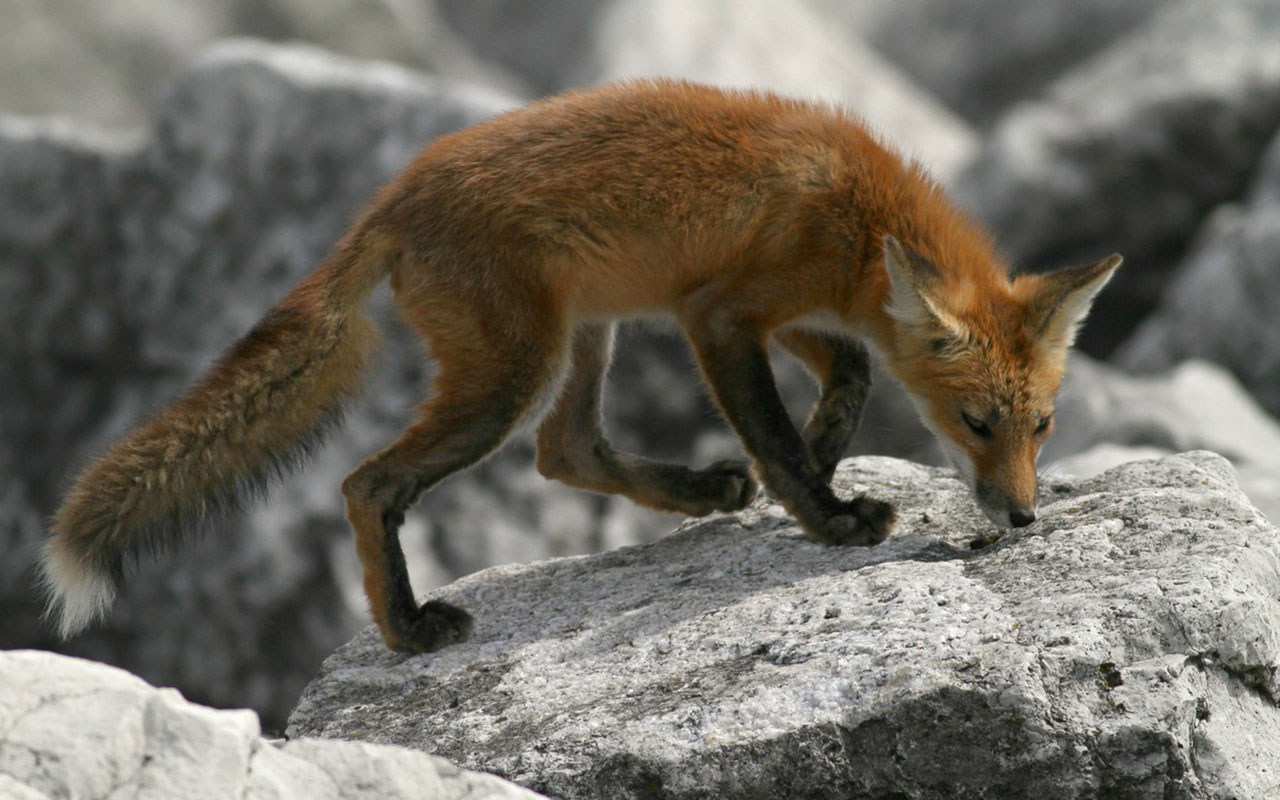 Lakeshore State Park grew out of a pile of rubble.
Literally.
The 22-acre urban state park was born out of the construction of Milwaukee’s Deep Tunnel project in the late 1990s. The site, located immediately south of Discovery World, originally was a repository for the limestone drilled to create underground tunnels as part of the city’s stormwater management project. In 2007, it opened as a free park, and since that time, not only has become a destination for outdoor recreational opportunities but also a home for environmental and freshwater education.
Environmental education has long been a cornerstone of the park’s programming, and Foundation grants have helped bolster the park’s efforts to reach more diverse audiences, increase access and educate future stewards about the gift they have been given along the lakefront. For the past several years, more than $63,000 in funding has helped support a seasonal park educator position that has created customized programming for Spanish speakers, people with disabilities and people facing mental health challenges. The educator has partnered with nearly 90 schools and nonprofits and in 2024 alone, ran 140 unique programs, which impacted 5,000 people.
Transforming place into purpose
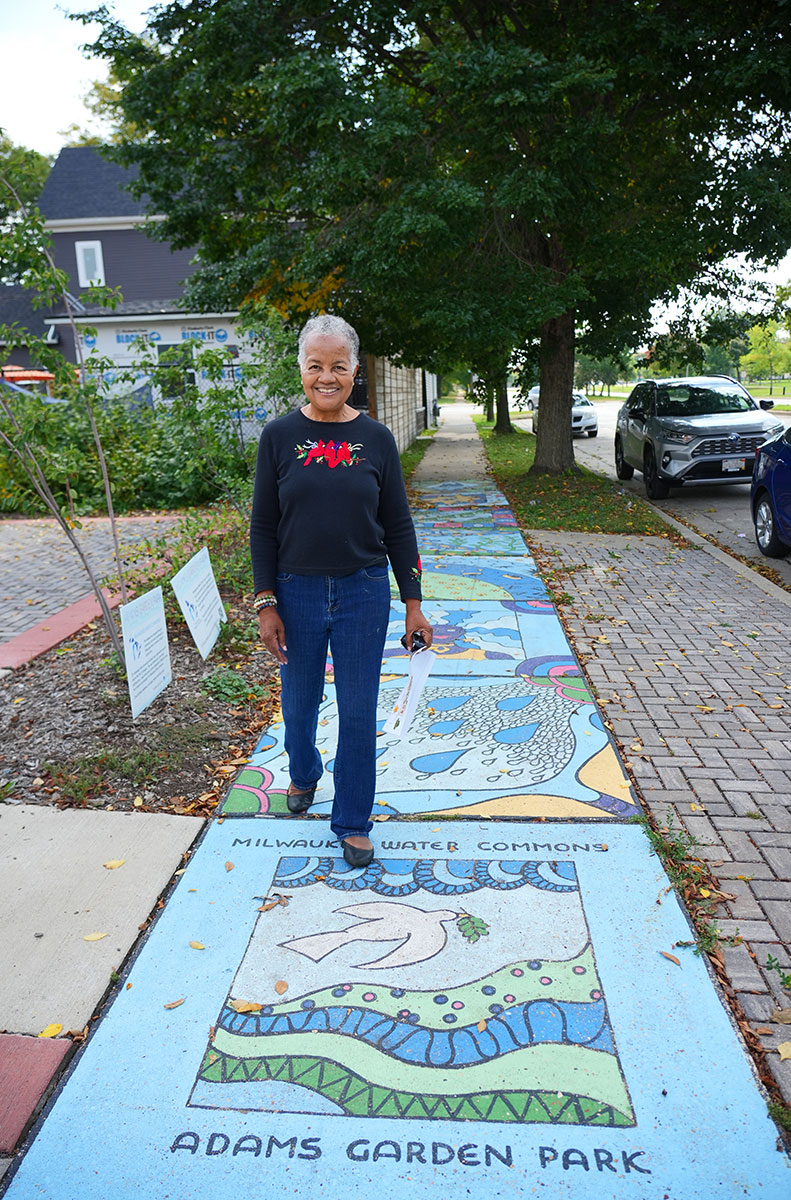
Once a blighted commercial space, Adams Garden Park has become a hub for environmental education, advocacy and action over the past five years.
The 127-year-old building in Milwaukee’s Lindsay Heights neighborhood, developed by Sharon and Larry Adams, the founders of Walnut Way Conservation Corp, served as an incubator for environmental nonprofits. Now its mission of environmental stewardship and sustainability is spilling outside its walls through a new capital project called Art at the Park, supported by a $100,000 Greater Milwaukee Foundation grant.
The project will activate four surrounding vacant lots into a vibrant neighborhood gathering spot. A concrete art walk featuring perennials and poetry boxes with quotes from neighborhood residents will lead to a converted shipping container, which will serve as a year-round home for environmental workshops, events and community arts programming. A mini fruit tree orchard is already in bloom in an adjacent lot. A decorative art screen will further create a sense of place.
Empowering the next generation of environmental leaders
The
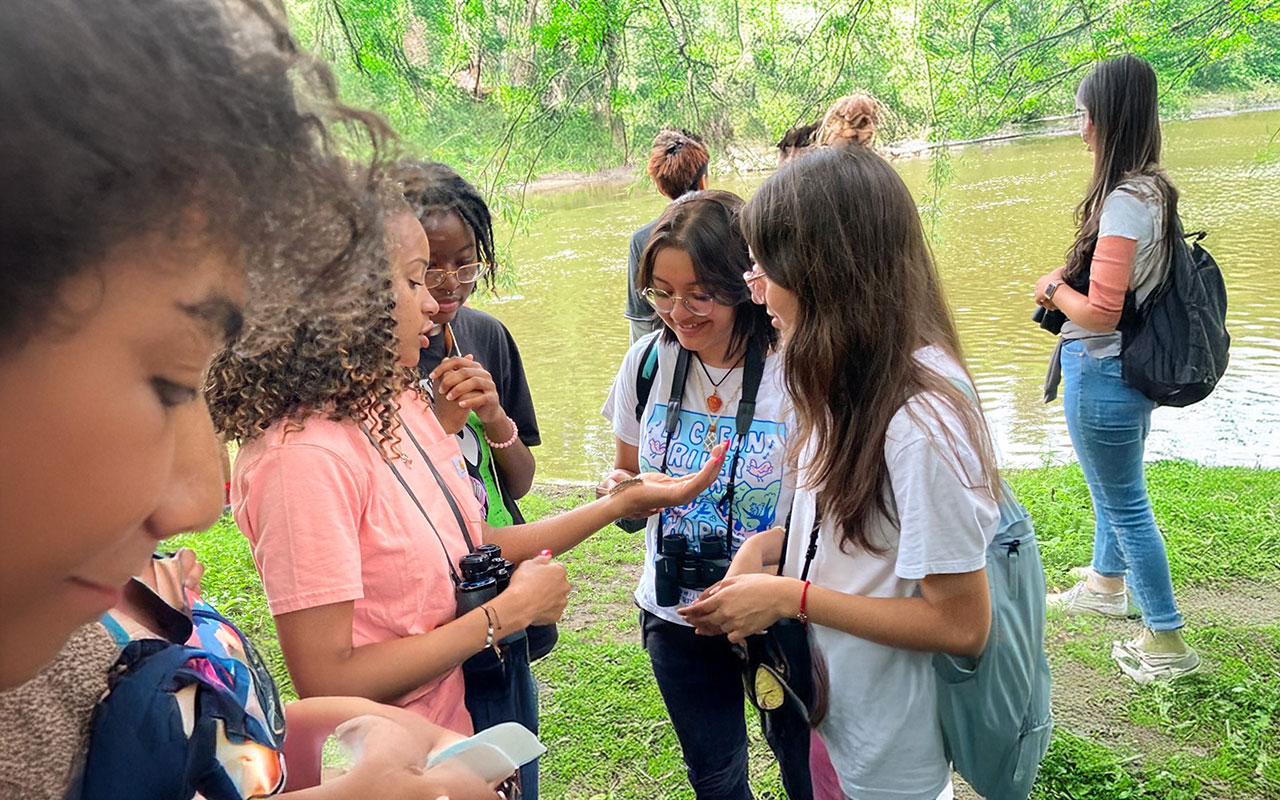
is proving that when organizations work together, young people and the environment both benefit.
Made up of 13 local nonprofits and supported by foundations and governmental agencies, the EYC offers internships to over 200 youth, with nine of the organizations providing active programming this past summer. The Foundation is a member of the Environmental Funders Group, which gave birth to the idea for the EYC, and since 2023 has granted
$185,000 toward the effort. The collaborative’s organizations each have their own focus, from art to water conservation to STEM, but all incorporate environmental teaching. Furthermore, participating youth take field trips to each other’s sites and take group classes on topics such as financial literacy. The program’s goal is to raise environmentally conscious youth who bring that consciousness into their future workforce, regardless of sector.